
Rent payments
What happens when a tenant pays rent early?
By Property360 Editorial TeamPublished 28 September 20269 min read
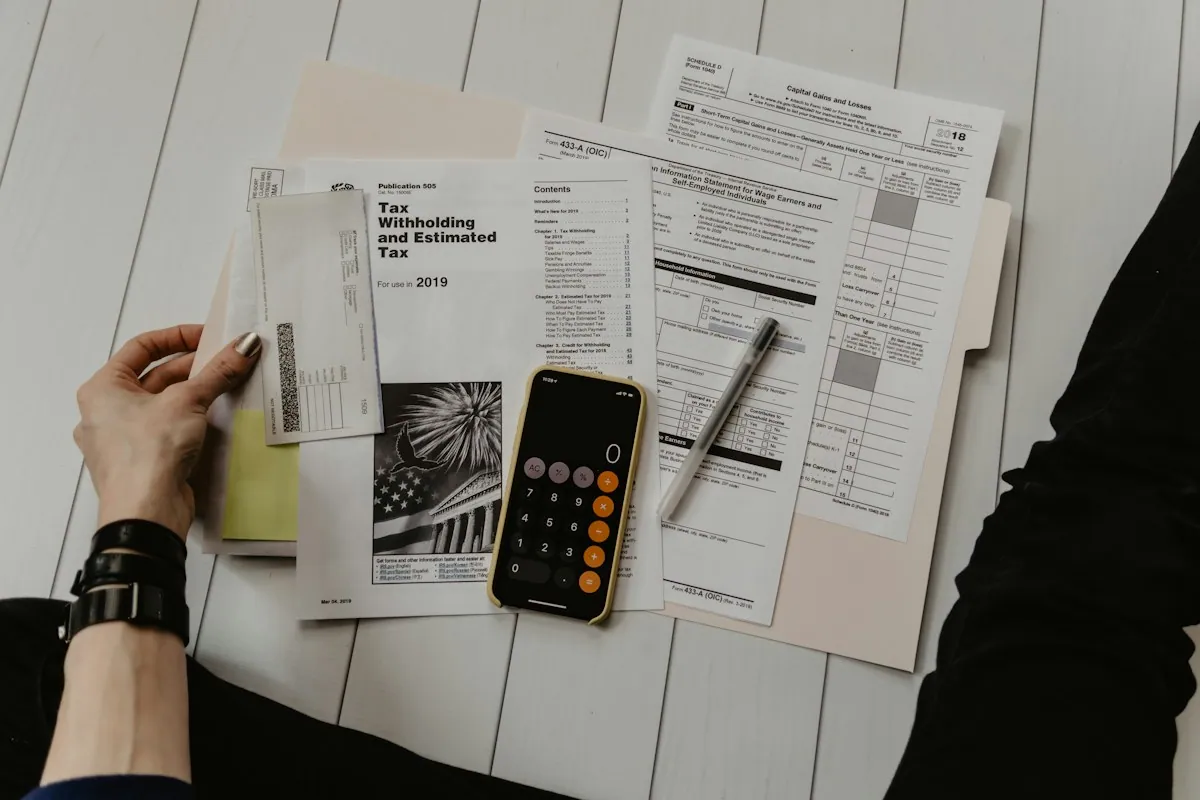
An early renewal payment should create a precise record for a future period—not a second tenancy today and not a duplicate invoice later.
A tenant pays next year's rent before their current lease has ended. It should be good news, but it can easily create confusion: has the tenant renewed already? Should a fresh invoice still go out? Does the receipt cover today's lease or the next one?
A useful starting point is to keep the current lease and payment period clear, then document what the early payment is intended to cover. A payment by itself does not necessarily answer whether the parties have agreed to renew or changed the existing terms. Record the amount, the agreed future period and any renewal terms in writing so the same rent is not accidentally requested twice.
Early payment is not the same as a new tenancy today
If a lease runs from 26 October 2025 to 25 October 2026, a payment made in September 2026 does not change the fact that the current term is still running. The tenant remains on the existing lease through 25 October.
If both parties have agreed on a renewal, record the next term and its conditions in the signed renewal or other appropriate document. Do not assume that an early transfer alone changes the lease, creates a new tenancy or automatically changes the rent and dates.
What a good payment record should show
A payment history should answer the important questions without either person having to search through bank alerts or WhatsApp messages. For an early renewal payment, record:
- Amount received: the exact amount paid by the tenant.
- Payment date: when the transfer, card payment, or cash payment was confirmed.
- Payment method and reference: for example bank transfer, card, cash, or a transaction reference.
- Coverage period: the dates that payment pays for, such as 26 October 2026 to 25 October 2027.
- Current lease status: active until its original end date.
- Next term status: paid and scheduled to begin automatically.
A receipt should use the same information. A receipt proves payment was received; the coverage dates make clear what that payment is for.
Do not send a second invoice for an already paid term
This is the most common avoidable error. If the full renewal amount has been accepted and receipted, the next invoice should not be drafted or sent again. Instead, the system should mark that future term as paid and keep the current lease visible until it expires.
If only part of the renewal amount has been paid, it is different. The payment should be shown as a part payment, together with the balance still due. The term should only be marked fully paid after the remaining amount is confirmed.
What landlords should do
- Confirm the payment against the right tenant and unit.
- Check that the amount covers the agreed rent and any applicable charges.
- Issue a receipt promptly.
- Record the next term's start and end dates.
- Leave the current lease active until its natural end date.
- Edit the renewal only if the rent, frequency, or dates have genuinely changed.
It is also wise to keep the lease agreement current. If the parties are changing rent, duration, occupants, or other terms, document the change clearly rather than relying on a payment alone. Our guide to writing a clear tenancy agreement covers the basics.
What tenants should look for
Before considering a renewal complete, a tenant should be able to see the receipt, amount, payment date, and the exact dates covered. If the payment is only a deposit or part payment, the outstanding balance should be visible too. This avoids a difficult conversation months later when the next due date arrives.
Make the renewal process calm and traceable
Paying early should remove stress, not create more admin. Property360 keeps the active lease, payment history, receipt, and paid next term in one place. The current lease remains active, the paid term begins on its correct date, and duplicate billing is avoided.
For day-to-day rent collection, invoices and receipts are easier to keep straight when every payment is recorded in one place. Read our guide on collecting rent online or start using Property360 today.
Start by matching the payment to the right period
A payment date and a rent coverage period answer different questions. The date tells you when funds were received or confirmed; the coverage period tells you what the parties intended the money to pay for. When a tenant pays early, write both down. For instance, if the current term ends in October and the tenant transfers money in September, the record should say whether the amount is for the remaining current rent, a proposed renewal beginning after October or another agreed purpose. Never leave the period to be inferred from the transfer date.
Check the agreement before posting the payment. Confirm the tenant, property, rent amount, payment frequency, end date and any renewal clause. If the parties have not agreed to renew, ask what the payment should represent before marking a future term as paid. If they have agreed, confirm the new dates and terms in writing and give both sides a copy. A receipt can acknowledge funds received without deciding every legal question about renewal.
Distinguish a full payment from a part payment
Compare the amount received with the amount due for the period agreed. If it is the full amount, mark that particular period as paid only after the transaction is confirmed. If it is short, record it as a part payment, show the balance and state whether any due date has changed. Do not describe a partial transfer as a fully paid renewal simply because the tenant intends to pay the rest later. If an amount includes rent and a separate charge, list the components so the account can be reconciled correctly.
If the transfer is higher than expected, do not silently apply the extra money to a different fee or period. Ask the payer what it was intended for, confirm the agreed treatment and record the answer. Where the payment is a duplicate or sent to the wrong unit, document the correction and any refund rather than deleting the original entry. A transparent ledger should show what happened from receipt through final allocation.
Prevent duplicate invoices without hiding the next due date
Once a full amount for an agreed future period is confirmed, mark that period as paid and prevent a routine invoice from asking for the same amount again. The tenant should still be able to see the dates covered, the next period that is not yet paid and any other charge that remains due. Do not close the current lease early just to make the future payment fit the ledger; keep the records aligned with the actual terms and dates.
If the renewal is not yet agreed, avoid labelling the money a renewal payment in a way that suggests a completed contract. Ask the parties to confirm whether the funds are being held, refunded or credited, and document their agreement. The right treatment can depend on the lease and local law, so seek advice if the parties disagree or the amount is significant.
Issue a receipt that explains what the money covers
A clear receipt includes the payer, recipient, property, amount, date received, payment method, transaction reference and coverage period. Where the money is a part payment, show the amount received and the outstanding balance. Where it is intended for a future term, identify the proposed or agreed start and end dates and point to the renewal document if one exists. Do not include full card numbers, PINs, passwords or other sensitive credentials on a receipt.
Send the receipt through a channel the tenant can retrieve and keep a copy in the lease record. If the payment is later reversed, refunded or reallocated, issue an updated record that explains the change and preserves the original reference. Both parties should be able to reconcile the bank entry with the tenancy ledger without searching through old message threads.
Record changes to rent or other renewal terms separately
An early payment does not automatically mean that the next rent amount, occupants, services or payment frequency have changed. If the parties have agreed to any different term, capture it in a signed renewal or other written record appropriate to the agreement. Confirm the effective date and which existing clauses continue. Do not rely on an invoice label or payment memo to replace a tenancy document where formal documentation is needed.
If rent is being reviewed, separate the proposal from the payment record. A tenant should be able to tell whether money is accepted under the current terms or is part of a proposed future arrangement. For guidance on that discussion, see our article about rent increases and renewals.
Use one ledger for online, transfer and cash payments
A consistent ledger is more useful than having one list for card payments, another for bank transfers and a third in a notebook. Record every method against the same tenant, unit, invoice and coverage period. For a provider payment, confirm its status in the provider dashboard; for a bank transfer, confirm the incoming transaction; for cash, issue a signed receipt and record who accepted it. Keep the references and dates needed to trace each entry.
Review the ledger before sending reminders. If a tenant says a payment has been made, compare the amount, date and reference before marking it overdue. Correct a mistaken allocation with an audit note so the history stays understandable. A monthly check for duplicate invoices, refunds, reversals and future payments can prevent confusion well before the next renewal.
Example: an early renewal payment
Suppose a tenant is considering a renewal that would begin after the current term ends. The landlord sends a proposed renewal with the amount and dates. The tenant transfers the full proposed rent before signing. Rather than immediately marking a completed renewal, the landlord confirms what the transfer was intended to cover, checks the agreement and gets the renewal terms accepted in writing. The receipt records the payment date and the future period. If the parties do not reach agreement, they follow the agreed and legally appropriate process for refunding or allocating the money. This example illustrates recordkeeping; the legal effect depends on the actual facts and law.
Resolve an unclear payment promptly
If either party is unsure what an early transfer means, pause duplicate billing and ask a specific written question: which rent period was intended, what amount is agreed, and are any renewal terms still under discussion? Keep the reply with the receipt and agreement. If there is a dispute about acceptance, refund or the status of the tenancy, do not treat an accounting label as a legal resolution. Get independent advice appropriate to the property's state and the signed terms.
For landlords, careful records reduce unnecessary chasing and help prevent duplicate requests. For tenants, a receipt with dates and a written renewal makes it easier to show what was paid. Property360 can organize lease and payment history for accounts using the platform; confirm the current workflow and terms for your account before relying on a particular automation.
This guide is general information, not legal advice. For a dispute or a change to a tenancy's legal terms, seek advice appropriate to your location and agreement.
Decision support
Before you decide
Record what the money covers
The payment date and the rent period are different facts. Show both, especially when payment arrives before the current term ends.
Do not manufacture a duplicate debt
Once a full future term is confirmed and receipted, the system should not automatically issue a second bill for the same term.
Take this with you
Use this checklist
Common questions
Frequently asked questions
Does early payment automatically renew a lease?
Not by itself. Check what the agreement says and document any changed rent, dates, occupants or other terms in the appropriate renewal record.
What if the payment is only partial?
Record it as a part payment, show the outstanding balance and do not label the future term fully paid until the balance is confirmed.
Sources and further reading
Found something outdated or unclear? Send an editorial correction.
Run your rentals the easy way
Property360 helps Nigerian landlords manage properties, leases, and tenants, collect rent online, and get paid straight to their bank.
Start free